
Homeopathic Prevention and Management of Epidemic Diseases
Background Homeopathy has been used to treat epidemic diseases since the time of Hahnemann, who used Belladonna to treat scarlet fever. Since then, several approaches using

Background Homeopathy has been used to treat epidemic diseases since the time of Hahnemann, who used Belladonna to treat scarlet fever. Since then, several approaches using
Background Acute encephalitis syndrome (AES) is endemic to certain parts of India, with limited treatment options. In our initial exploratory comparative observational study of 151 patients
Introduction There are two critical pillars of homeopathy that contrast with the dominant scientific approach: the similitude principle and the potentization of serial dilutions. Three main
We discuss questions related to the ‘Benveniste Affair’, its consequences and broader issues in an attempt to understand homeopathy. Specifically, we address the following points:
Background Cancer-related fatigue has been described as a subjective feeling of physical, emotional, and/or cognitive tiredness. Homeopathy has been widely used to treat side effects of
Background Although individualized homeopathic treatment is effective for depression in climacteric women, there is a lack of well-designed studies of its efficacy for depression in battered
Background The increasing use of psychotropic drugs to treat anxiety and depressive disorders (ADDs) is concerning. According to the study, ‘Etude Pharmacoépidémiologique de l’Impact de Santé
Introduction The healthcare programs of the Region of Tuscany (Italy) have started the process of integration of some types of complementary medicine (CM), including homeopathy, which
Background Acute upper respiratory tract infections (URTIs) and their complications are the most frequent cause of antibiotic prescribing in primary care. With multi-resistant organisms proliferating, appropriate
Background Plant-based test systems have been described as a useful tool for investigating possible effects of homeopathic preparations. The last reviews of this research field were
Background We report the effects of nanoparticles in homeopathic preparations of copper salts on the electrical properties of polymer film. Previous work showed that the incorporation
Background and Aim An approach is offered to selecting a biologically active substance (BAS) in ultra-low dose for effective action on a biological system (BS). The
Introduction Previous findings from a pragmatic trial suggest that usual care compared with usual care plus individualised homeopathy is not a feasible design to address homeopathic
Background Recurrent urinary tract infections (UTIs) are one of the most common morbidities in persons with neurogenic lower urinary tract dysfunction (NLUTD). Repetitive antibiotic treatment increases
Introduction Homeopathic remedies usually contain a significant amount of ethanol as a co-solvent with water, a pharmaceutical formulation that may raise some concern when remedies are
In a recent article entitled, “Metal nanoparticle induced hormetic activation: A novel mechanism of homeopathic medicines,”[1] Chikramane et al have considered source-drug material as an
Homeopathy is used by just over 2% of the U.S. population, predominantly for respiratory, otorhinolaryngology, and musculoskeletal complaints. Individual users who see a homeopathic provider
Background – The randomised controlled trial (RCT) is considered the ‘gold standard’ for establishing treatment efficacy or effectiveness of an intervention, but its data do
Background The use of solvatochromic dyes to investigate homeopathic potencies holds out the promise of understanding the nature of serially succussed and diluted solutions at a
Background Gene expression analysis of cells treated with extreme dilutions or micro amounts of drugs has been used to provide useful suggestions about biological responses. However,
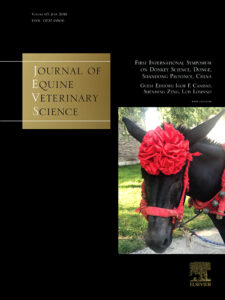
A 4-year-old trotter gelding was treated homeopathically for delayed wound healing after surgery associated with antimicrobial-resistant bacteria. The horse failed to respond to antibiotic treatment

Arnica montana (Arnica m.) is used for its purported anti-inflammatory and tissue healing actions after trauma, bruises, or tissue injuries, but its cellular and molecular
Arnica montana has been widely used as a homeopathic remedy for the treatment of several inflammatory conditions in pain management and postoperative settings. This review

Homeopathy is widely used in livestock, especially in order to reduce the use of antibiotics, although it is often seen as controversial. A comprehensive literature
Background – In previous results mice treated with high dilutions of antimony presented reduction of monocyte migration to the site of infection with increase in

Hormesis occurs frequently in broadly ranging biological areas (e.g. plant biology, microbiology, biogerontology), toxicology, pharmacology and medicine. While numerous mechanisms (e.g. receptor and pathway mediated

Objective – To determine differences in antibiotic prescription rates between conventional General Practice (GP) surgeries and GP surgeries employing general practitioners (GPs) additionally trained in
Background – There is little evidence that the decongestant, antihistamine, or cough suppressant medications commonly used to treat cold symptoms in preschool children are effective.
Background: Herbal and homeopathic remedies have been used to assist with child bearing and pregnancy for centuries. Allopathic (‘Western’) medicine is traditionally avoided during pregnancy

Background: According to the literature an increasing number of cancer patients demand for complementary therapies during their disease. Research has demonstrated that some of these

Background Homeopathy has been used to treat epidemic diseases since the time of Hahnemann, who used Belladonna to treat scarlet fever. Since then, several approaches using
Background Acute encephalitis syndrome (AES) is endemic to certain parts of India, with limited treatment options. In our initial exploratory comparative observational study of 151 patients
Introduction There are two critical pillars of homeopathy that contrast with the dominant scientific approach: the similitude principle and the potentization of serial dilutions. Three main
We discuss questions related to the ‘Benveniste Affair’, its consequences and broader issues in an attempt to understand homeopathy. Specifically, we address the following points:
Background Cancer-related fatigue has been described as a subjective feeling of physical, emotional, and/or cognitive tiredness. Homeopathy has been widely used to treat side effects of
Background Although individualized homeopathic treatment is effective for depression in climacteric women, there is a lack of well-designed studies of its efficacy for depression in battered
Background The increasing use of psychotropic drugs to treat anxiety and depressive disorders (ADDs) is concerning. According to the study, ‘Etude Pharmacoépidémiologique de l’Impact de Santé
Introduction The healthcare programs of the Region of Tuscany (Italy) have started the process of integration of some types of complementary medicine (CM), including homeopathy, which
Background Acute upper respiratory tract infections (URTIs) and their complications are the most frequent cause of antibiotic prescribing in primary care. With multi-resistant organisms proliferating, appropriate
Background Plant-based test systems have been described as a useful tool for investigating possible effects of homeopathic preparations. The last reviews of this research field were
Background We report the effects of nanoparticles in homeopathic preparations of copper salts on the electrical properties of polymer film. Previous work showed that the incorporation
Background and Aim An approach is offered to selecting a biologically active substance (BAS) in ultra-low dose for effective action on a biological system (BS). The
Introduction Previous findings from a pragmatic trial suggest that usual care compared with usual care plus individualised homeopathy is not a feasible design to address homeopathic
Background Recurrent urinary tract infections (UTIs) are one of the most common morbidities in persons with neurogenic lower urinary tract dysfunction (NLUTD). Repetitive antibiotic treatment increases
Introduction Homeopathic remedies usually contain a significant amount of ethanol as a co-solvent with water, a pharmaceutical formulation that may raise some concern when remedies are
In a recent article entitled, “Metal nanoparticle induced hormetic activation: A novel mechanism of homeopathic medicines,”[1] Chikramane et al have considered source-drug material as an
Homeopathy is used by just over 2% of the U.S. population, predominantly for respiratory, otorhinolaryngology, and musculoskeletal complaints. Individual users who see a homeopathic provider
Background – The randomised controlled trial (RCT) is considered the ‘gold standard’ for establishing treatment efficacy or effectiveness of an intervention, but its data do
Background The use of solvatochromic dyes to investigate homeopathic potencies holds out the promise of understanding the nature of serially succussed and diluted solutions at a
Background Gene expression analysis of cells treated with extreme dilutions or micro amounts of drugs has been used to provide useful suggestions about biological responses. However,
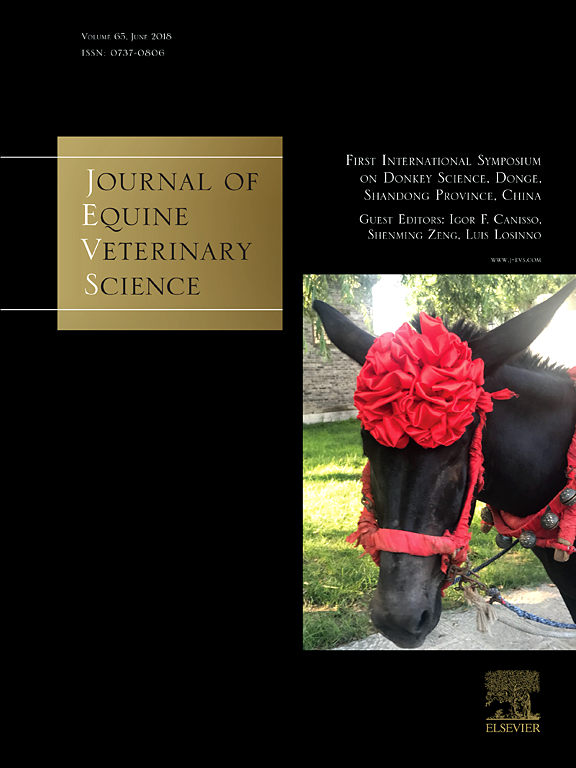
A 4-year-old trotter gelding was treated homeopathically for delayed wound healing after surgery associated with antimicrobial-resistant bacteria. The horse failed to respond to antibiotic treatment
Arnica montana (Arnica m.) is used for its purported anti-inflammatory and tissue healing actions after trauma, bruises, or tissue injuries, but its cellular and molecular
Arnica montana has been widely used as a homeopathic remedy for the treatment of several inflammatory conditions in pain management and postoperative settings. This review
Homeopathy is widely used in livestock, especially in order to reduce the use of antibiotics, although it is often seen as controversial. A comprehensive literature
Background – In previous results mice treated with high dilutions of antimony presented reduction of monocyte migration to the site of infection with increase in
Hormesis occurs frequently in broadly ranging biological areas (e.g. plant biology, microbiology, biogerontology), toxicology, pharmacology and medicine. While numerous mechanisms (e.g. receptor and pathway mediated
Objective – To determine differences in antibiotic prescription rates between conventional General Practice (GP) surgeries and GP surgeries employing general practitioners (GPs) additionally trained in
Background – There is little evidence that the decongestant, antihistamine, or cough suppressant medications commonly used to treat cold symptoms in preschool children are effective.
Background: Herbal and homeopathic remedies have been used to assist with child bearing and pregnancy for centuries. Allopathic (‘Western’) medicine is traditionally avoided during pregnancy

Background: According to the literature an increasing number of cancer patients demand for complementary therapies during their disease. Research has demonstrated that some of these
Impostazioni privacy
Questo sito utilizza i cookie per migliorare la tua esperienza di navigazione su questo sito.
